At Mind Growing Therapy, we’ll create your treatment plan together. I’ll guide you through the different options and explain each one clearly, so you can choose the approach that feels right for you. Sometimes a single method is enough, while at other times, we might gently combine therapies to best support your needs and preferences.
I’m trained in three main therapeutic approaches: Eye Movement Desensitisation and Reprocessing (EMDR), Internal Family Systems (IFS), and Cognitive Behavioural Therapy (CBT). Each has its own strengths, and all can be tailored to support your healing from trauma, anxiety, or emotional distress, helping you reconnect with balance, confidence, and self-understanding.
You can learn more about each approach below to see which one resonates most with you.

Years of Experience
Mind Body Therapy Shaped Around You
EMDR is a powerful therapy originally developed to treat trauma and Post-Traumatic Stress Disorder (PTSD), but it is now also widely used for anxiety, phobias, and other difficulties. When we experience overwhelming events, our brain sometimes struggles to fully process them, leaving us stuck with distressing memories, emotions, or physical reactions. EMDR helps your brain reprocess these experiences in a safe and supported way, so they lose their intensity and no longer feel as though they are happening in the present. The process often involves gentle eye movements or other forms of bilateral stimulation to activate your brain’s natural healing ability. Many people find EMDR creates deep, lasting shifts even when talking alone hasn’t been enough.
IFS is a compassionate approach that views the mind as made up of different “parts,” each with its own role and story. Sometimes these parts carry pain or try to protect us in ways that no longer serve us, which can leave us feeling conflicted, stuck, or overwhelmed. In IFS, we gently get to know these parts of you, helping them feel heard and understood. This process allows you to connect with your core “Self” – the calm, wise, and compassionate centre within you. From here, healing and integration can take place. Many people find IFS deeply empowering, as it creates a sense of inner harmony and self-acceptance.
IFS is a compassionate approach that views the mind as made up of different “parts,” each with its own role and story. Sometimes these parts carry pain or try to protect us in ways that no longer serve us, which can leave us feeling conflicted, stuck, or overwhelmed. In IFS, we gently get to know these parts of you, helping them feel heard and understood. This process allows you to connect with your core “Self” – the calm, wise, and compassionate centre within you. From here, healing and integration can take place. Many people find IFS deeply empowering, as it creates a sense of inner harmony and self-acceptance.
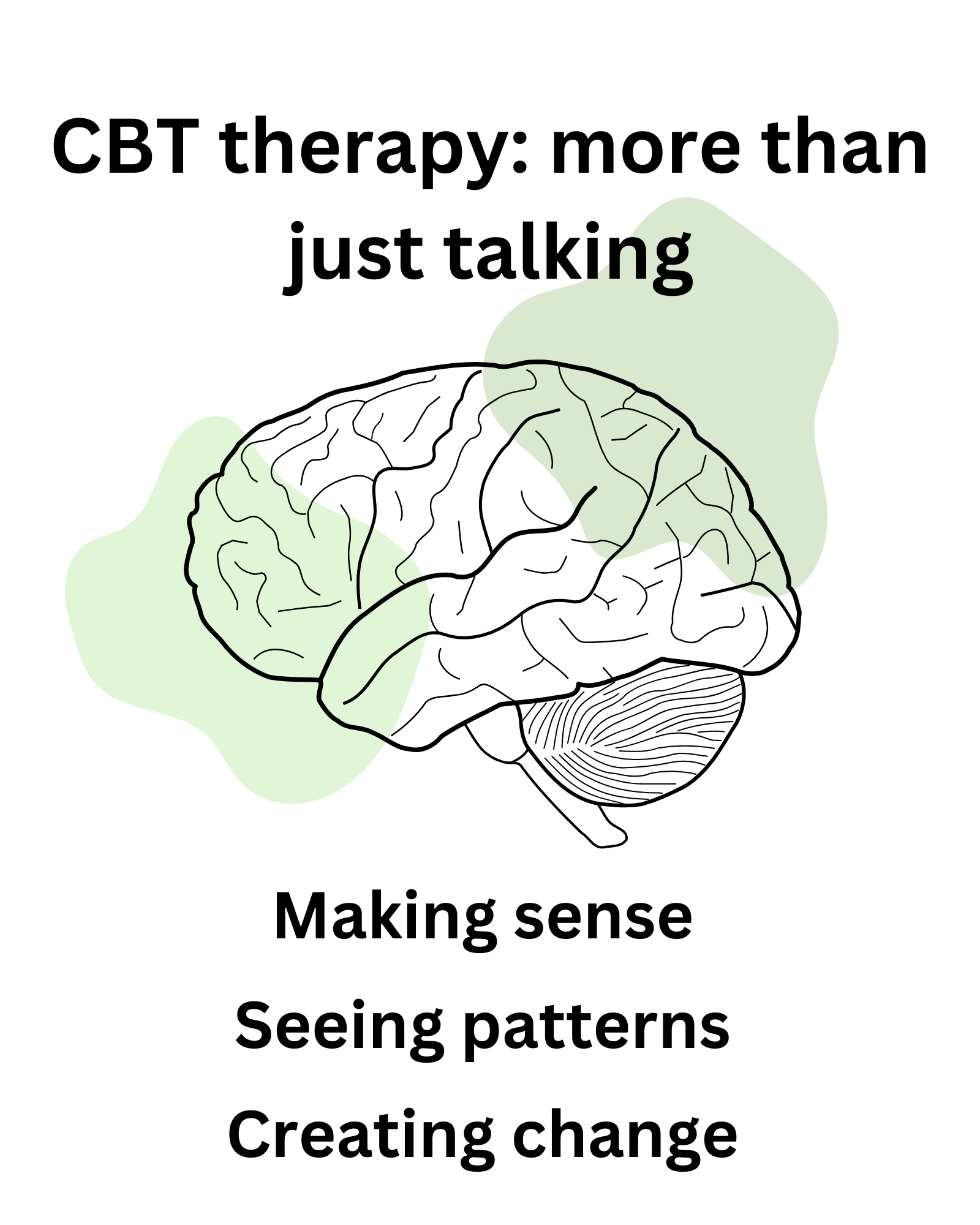
CBT is a practical, evidence-based therapy that helps with difficulties such as depression, anxiety disorders, phobias, OCD, and Post-Traumatic Stress Disorder (PTSD). It works in two main ways: first, by helping you understand the patterns and experiences that may have contributed to your difficulties and keep them going; and second, by teaching you useful skills and strategies to manage symptoms more effectively. CBT is usually a short-term, goal-focused approach that gives you tools you can continue using long after therapy ends. Many people find this empowering, as the skills are transferable to other areas of life and can support lasting change.
Alongside evidence-based treatments, I also draw on practices such as mindfulness, yoga, and breathwork. These approaches are designed to help regulate your nervous system, reduce stress, and support your long-term wellbeing.
Sometimes the mind and body can feel so overwhelmed that traditional therapy feels difficult to engage with. In those moments, I offer gentle tools to help calm and stabilise your system, creating the safety and steadiness needed to re-engage with the deeper work of therapy.
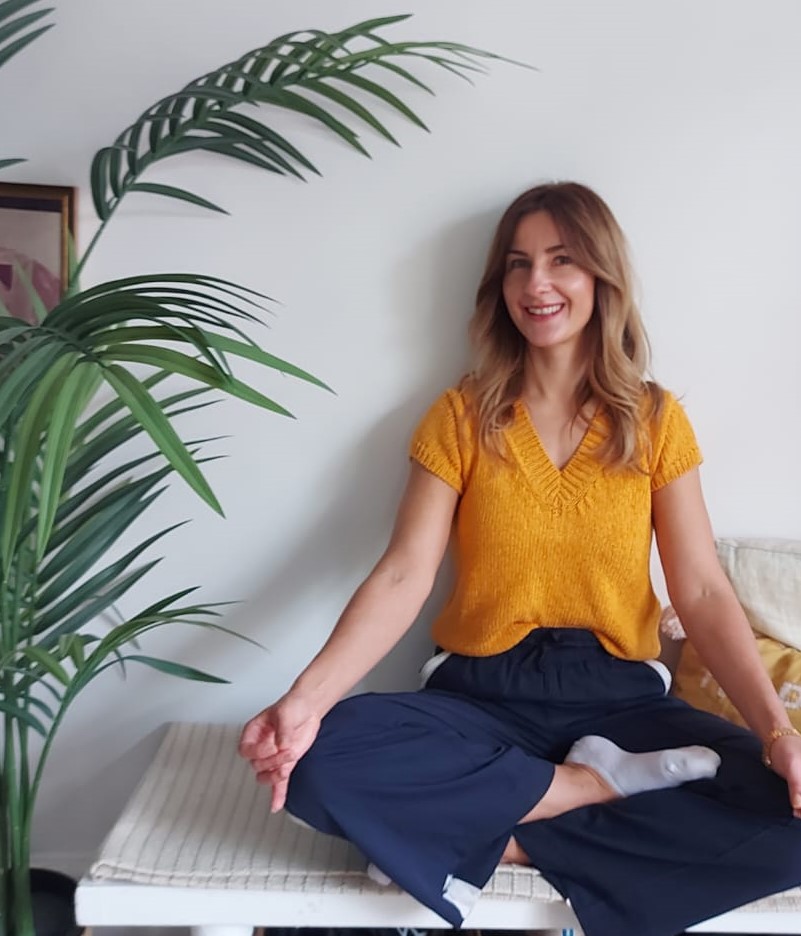
Alongside evidence-based treatments, I also draw on practices such as mindfulness, yoga, and breathwork. These approaches are designed to help regulate your nervous system, reduce stress, and support your long-term wellbeing.
Sometimes the mind and body can feel so overwhelmed that traditional therapy feels difficult to engage with. In those moments, I offer gentle tools to help calm and stabilise your system, creating the safety and steadiness needed to re-engage with the deeper work of therapy.

Our first session is really about getting to know each other. It’s a gentle space for you to share what’s been going on and for us to start making sense of things together. You’re welcome to ask as many questions as you like and get a feel for how I work too. We’ll talk through what you’d like support with, explore the best ways to approach it, and agree on a time and rhythm for future sessions that feel right for you. More than anything, therapy works best when there’s trust and comfort between us. My aim is to create a space where you can speak freely, feel heard, and know that I’ll always be open, honest, and supportive as we move through this process together.
That’s okay — you don’t have to have the answers yet. Together, we’ll explore what’s been holding you back and find a way forward that feels safe, supportive, and right for you.
| Your Experience | How It Feels | Therapy |
|---|---|---|
| PTSD / Trauma | “I keep reliving painful memories.” “I can’t sleep without bad dreams.” “I feel constantly on edge or unsafe.” |
EMDR or IFS, gently combined with breathwork and movement to regulate the nervous system and build safety. |
| OCD (Obsessive–Compulsive Disorder) | “I get stuck in repetitive thoughts or rituals.” “I feel anxious unless I do things ‘just right.’” “I know my fears don’t make sense, but I can’t switch them off.” |
CBT with Exposure and Response Prevention (ERP), supported by mindfulness and breathwork to reduce anxiety and regain control. |
| Generalised Anxiety (GAD) | “I worry about everything.” “I can’t switch off.” “My mind feels constantly busy.” |
CBT, supported by mindfulness and breathwork to calm overthinking and restore balance. |
| Anxiety & Panic | “My heart races for no reason.” “I feel tense and restless.” “It’s hard to focus or feel grounded.” |
CBT or EMDR, with yoga and breathwork to reconnect body and mind. |
| Low Self-Esteem | “I don’t feel good enough.” “I’m afraid of being judged.” “I criticise myself constantly.” |
IFS with movement and breathwork to nurture self-compassion and confidence. |
| Depression | “I feel numb or empty most days.” “I’ve lost interest in things I used to enjoy.” “Everything feels like an effort.” |
CBT, combined with gentle movement, yoga, and breathwork to lift mood and reconnect with life. |
| Perfectionism | “I’m scared to make mistakes.” “I procrastinate because nothing feels good enough.” “I’m hard on myself.” |
CBT with mindfulness and breathwork to ease pressure and build acceptance. |
| Reconnecting After Trauma | “I feel disconnected from my body.” “I can’t trust my feelings.” “I feel tense for no clear reason.” |
Therapeutic yoga, movement, and breathwork, combined with EMDR or IFS to rebuild connection and safety. |
| Not Sure What You Need | “I just know I’m not myself.” “I feel overwhelmed and don’t know where to start.” “I need someone to help me make sense of things.” |
A free 15-minute consultation to talk things through and find the right approach together. |